
Kids ADHD Nutritionist
Find the handbrakes on your child's mood, focus and sleep
Ruth Fellowes uses functional testing and nutritional biochemistry to find the nutrient gaps, gut patterns and food sensitivities holding your child back. With or without an ADHD diagnosis.
Goulburn NSW | Australia Wide | Telehealth
Certified Practising Nutritionist (CPN)
WESTERN HERBALIST
18 years clinical experience and mum of 4 boys
What's happening in your household now
The meltdown the moment you say no. The bedtime that takes two hours. The school report that says "capable, but…". The child who chews the sleeves or collar, can't sit through dinner, and save their biggest outbursts for the people they love most.
You might be here because:
Your child has an ADHD diagnosis, and medication isn't an option, isn't tolerated in some way, or maybe helps with focus but or only temporarily and not helping with mood, sleep or meltdowns.
You, a teacher or your GP suspect ADHD, but your child is too young to assess, you're not ready for medication, or you want to understand what else might be going on first.
There's no diagnosis, just a child who is angry, anxious or restless, and a household that has run out of calm.
Whichever of these it is, you don't need a diagnosis to start investigating where the biochemical handbrakes are.
"Your child is not broken. Their brain is not broken. But right now, there are a lot of internal physical roadblocks getting in the way — and you can find out exactly what they are." Ruth Fellowes CPN
Tried a lot already? Here's why it hasn't fully stuck.
Most families I see have already tried reward charts and consequences, OT and sensory therapy, psychology, behaviour plans at school, cutting sugar, and sometimes medication. every one of those choices made sense so the work isn't wasted.
But they have one thing in common- they all work on what you can see, which is the behaviour.
Underneath the behaviour is a brain and nervous system shaped by three biochemical influences: the nutrients it uses to make its chemical messengers, the health of the gut, which affects mood and immunity, and how the body reacts to the foods it meets every day.
When those systems are under strain, they act like a handbrake. Therapies can still help, but often slowly, because your child doesn't yet have the capacity to use what they're being taught. Release the handbrake, and everything else you're doing now has a functional framework to build on.
Haven't tried much yet? That puts you in a good position. Release the handbrakes first, and anything you add later has something to build on.
What's often going on underneath.
A diagnosis tells you what is happening, but taking a biochemical approach to manage that will help find the handbrakes which are making things harder for your child. These are the points I look at:
Building blocks for the brain. Dopamine and serotonin are made from nutrients: amino acids, iron, zinc, magnesium and B vitamins. When those stores run low, focus, mood and sleep are often the first to suffer.
The gut–brain connection. The gut affects inflammation, how well nutrients are absorbed, and the signals that travel to the brain. Constipation, tummy aches and a very narrow diet often show up alongside mood and behaviour struggles.
Food chemical sensitivity. Some children react to natural food chemicals (salicylates, amines and glutamates) and to additives, with irritability, restlessness or broken sleep. This goes well beyond cutting out gluten or dairy.
Stress and mineral balance. A child who lives in "survival mode" can use up calming minerals such as magnesium faster, which makes the next meltdown more likely.
Every child's handbrakes are different so I test rather than guess. And testing doesn't have to mean needles. Child-friendly options are always my first choice.
How I Work
I don't hand out a generic elimination diet or a standard supplement list. I find out what your child's body is actually showing, then build a staged plan around three questions.
What needs to come in
The nutrients and dietary building blocks your child is short of.
What needs to come out
The foods, food chemicals and additives that are getting in the way.
What needs to be balanced
Sleep, stress, blood sugar imbalances, gut health and mood regulation.
The testing. Depending on your child and the program, this can include Hair Tissue Mineral Analysis (a small hair sample), myDNA genetic testing, gut microbiome testing where it's needed, and food chemical investigation using the RPAH Elimination Diet. Testing doesn't have to mean needles, and I'll always choose the most child-friendly option that will give us a useful answer.
The pace. Changes are staged to fit what your family can manage. You won't be asked to overhaul the pantry in week one or buy expensive specialty foods. Fussy eating is well understood- I'm trained as an SOS Feeding Therapist, so a child who eats a small variety of foods is not an overwhelming handbrake that we can't get past.
The format. Everything happens online, so there are no clinic visits to fit around school runs and other children.
What families typically notice
Every child is different, but generally speaking, families notice changes within weeks. For more complex situations it's closer to three months. These are the changes parents describe most often:
Handles 'no' without a meltdown
Pauses before reacting
Hears you the first time without feeling like you're nagging
Stays with a task long enough to learn
Settles to sleep sooner and sleeps well
Less aggression and defiance at home
And often the change parents mention most is that they have a child who is more like themselves again, with their true personality coming through.
About Ruth
Working from science and lived experience
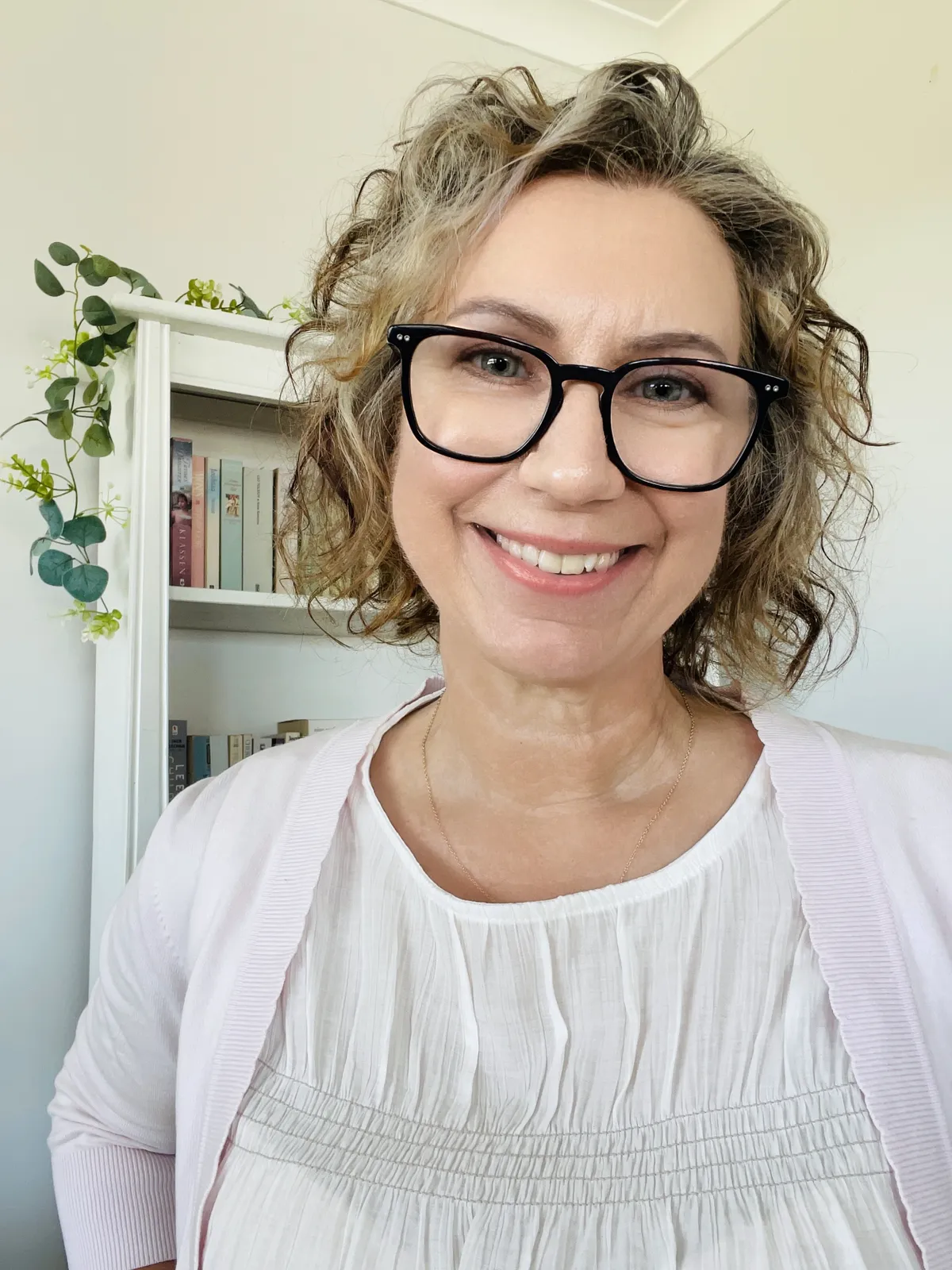
I'm a Certified Practising Nutritionist and Western Herbalist with 18 years of clinical experience in children's nutrition, food intolerances and gut-brain health.
I'm also the mother of four boys. More than 25 years ago, my own children showed me how much food was driving their mood and behaviour. We did many of the therapies other families do but the biggest shift came from what was on their plates ie. removing additives, identifying food sensitivities, and filling the nutritional gaps in what their brains needed to work well. That built the basis and reason for what I do now.
My background in Neurodevelopmental therapy means I see movement, the sense, and nutrition as connected. Herbal medicine gives me additional options to manage stress, sleep and focus.
BHSc (Complementary Medicine) · MPH (UNSW) · Adv Dip Nutritional Medicine · Adv Dip Western Herbal Medicine · SOS Feeding Therapist · RPAH Elimination Diet trained.
Your food and mood expert.
Based in Goulburn NSW. Supporting families across Australia.
Start where you're ready to start
You don’t need to sign up for a big program to get answers. Every option is online and tailored to your child. What changes is how much testing and personal support you want.
For Direction
If you're not sure where to start fill in a questionnaire and I'll provide a video analysis of what biochemical drivers could be driving your child's behaviour.
From $47
For Insight
When you're tired of guessing, testing shows what your child's body actually needs. I interpret the results and provide clear recommendations on how to fill the gap, with as much or as little follow up as you want.
Guided Program
Complex and long-standing patterns take longer to shift, and trying to change everything at once rarely lasts. Work with me over 12 weeks, starting with a foundation of testing and making changes a step at a time.
free download
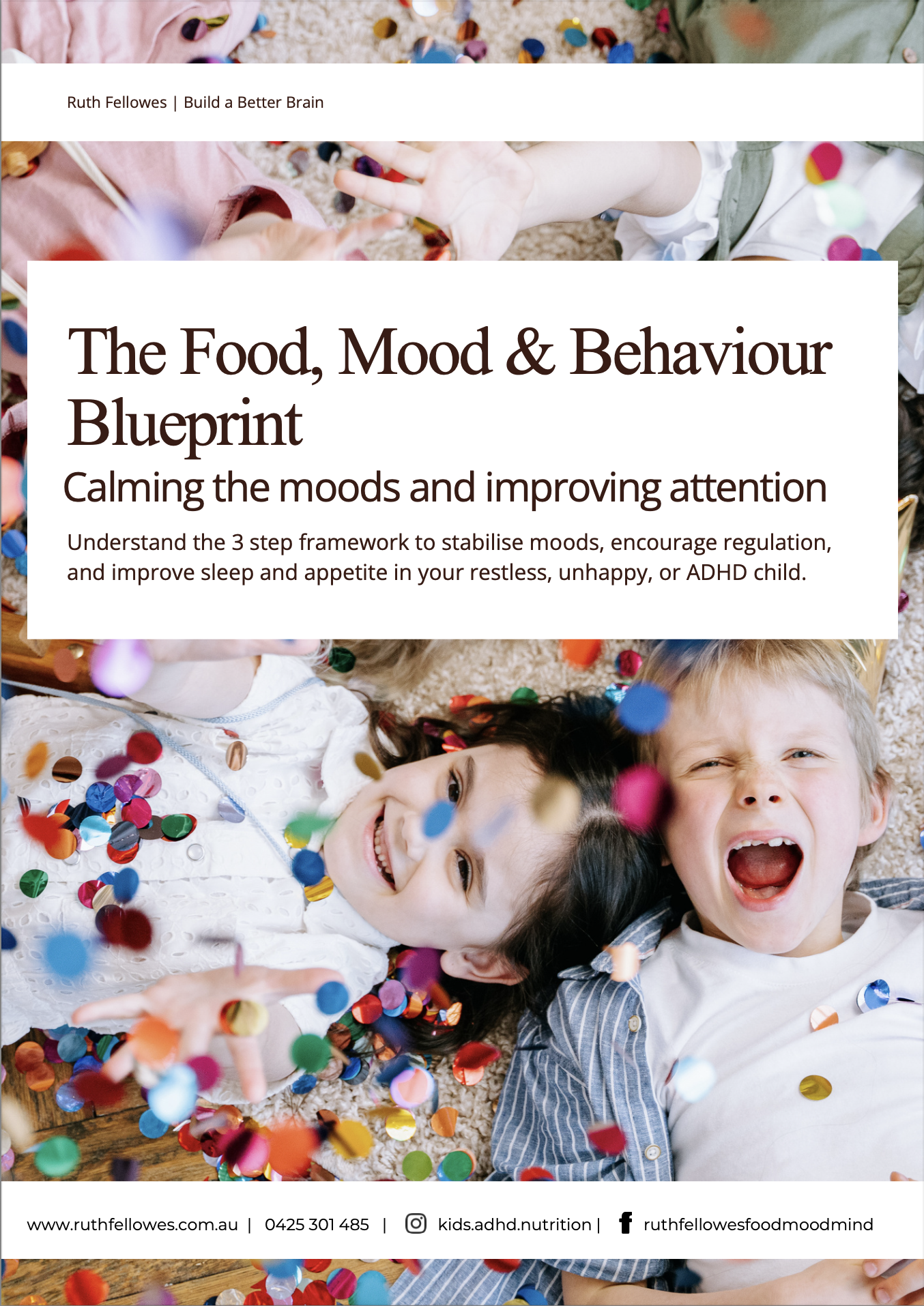
The Food, Mood & Behaviour Blueprint
New to the idea that food affects behaviour? Start with this free 15 page guide. It explains how nutrients, gut health and food chemicals influence your child's mood and focus, and which first changes are worth making at home.
FAQs
Can nutrition really make a difference to ADHD behaviour in children?
Yes - often significantly. The brain makes its chemical messengers from nutrients, and the gut affects mood, inflammation and sleep. When testing shows a gap or a sensitivity, dealing with it often makes behaviour more manageable and other therapies more effective
Do we have to change our whole diet?
No. Changes are staged one step at a time, at your family's pace. Fussy eating is planned for, not ignored.
Does my child need an ADHD diagnosis for this approach to work?
No. Many families come to me with a suspicion, with a child who is too young to assess, or simply with a child who is struggling. The process is the same.
Does testing involve blood tests?
Not necessarily. Hair Tissue Mineral Analysis uses a small hair sample, myDNA uses a cheek swab, and food sensitivities are investigated through diet. If a blood test would genuinely add something, I'll explain why first, and the decision is yours.
My child takes ADHD medication. Can we still work together?
Yes. By focusing on what the brain needs to work at its best whilst easing any handbrakes we will not upset what the medications are trying to do.
How is this different from seeing an integrative Paediatrician?
We cover much of the same ground: testing, diet, supplements and lifestyle. The difference is that nutrition and brain function are my whole focus, and my programs are staged, so you choose the level of commitment that suits your family. Many families come to me after finding ongoing specialist appointments hard to sustain.
Let’s find your real child
Behind the meltdowns and the battles is a child whose brain and body are working under strain. Find out what's driving it, and you can start building a better brain and a calmer home.
QUICK LINKS
LEGAL


© Copyright 2026. Ruth Fellowes | Natural Spectrum Health. All Rights Reserved.